
What to expect from this post:
- Perspective around burnout
- Viktor Frankl
- A focus on control, a control of focus
- Self-care, Caregiver Action Network and other resources
Are you caring for someone right now? Are you starting to feel stress or anxiety around the fears and the work of it? If so, this post is for you. If not, don’t worry, this post is still for you. You either haven’t gotten to that stage yet, or you’re a superhero. If the latter is true, congrats. Keep up the good work and read on anyway.
Perspective around burnout
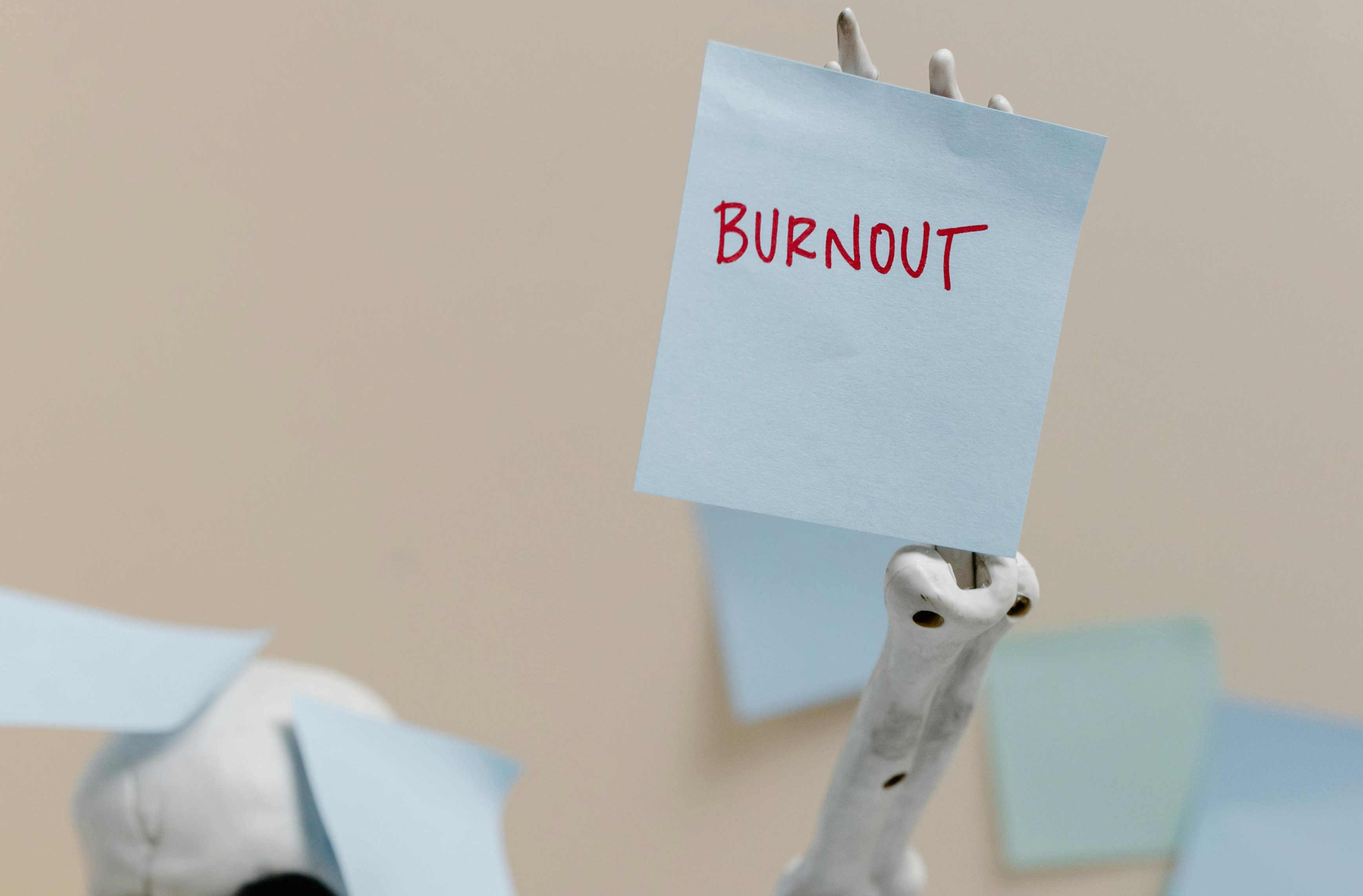
That stress and anxiety are the start of burnout. The first thing I want you to know is that it’s okay if you’re feeling this. It says nothing negative about you. It’s normal and it happens to the best of us. There is nothing to feel guilty about. The frustration, the anxiety, the panic attacks, the short fuse, the feelings that you’re giving your life away… these are all natural feelings. If you’re having anything like these feelings, that’s the burnout rearing its ugly head. It usually comes when you’re trying to do something impossible without realizing it is, in fact, impossible. That is to say, you’re likely trying to maintain control of something over which you have very little to none. If someone has progressive dementia, you will burn out trying to argue with them. If someone doesn’t want to do physical therapy, you will burn out trying to make them. If you have siblings that are not helping with your parents’ care, you will burn out if you’re spending too much time focused on what they are not doing. You can’t control any of the people in those scenarios. The point is about what you can control.
Viktor Frankl
I recommend (when and if you ever have the time and energy) reading Man’s Search for Meaning, by Viktor Frankl. (First, this title is not to be confused with Man’s Search for Ultimate Meaning by the same author. That one is much more clinical. Second, that is an amazon affiliate link which means this site would get a share of the purchase were you to purchase that book using that link. More about that in the disclaimer.) The book is a powerful read. Viktor Frankl was a psychologist who was imprisoned in Auschwitz during World War II. He experienced the most extreme suffering imaginable, but he managed to find meaning in it. That ability helped him to survive. The biggest message from the book for me was this: no one can take away your ability to choose. You choose your response and your perspective. It doesn’t matter what is thrown at you. Frankl says everything can be taken from you except choice. How you behave depends on your choices, not your circumstances. (This video does a pretty good job of summing up the larger points of the book and works as a teaser. I definitely recommend reading the book though.)
A focus on control, a control of focus
So, going back to control. You cannot control that you’re in this situation anymore than you can control the weather. However, you can control your perspective. When looking at what you can control, start there.
When those terrible feelings of burnout arise, it’s partially because you’re trying to control that which cannot be controlled. Trying that approach enough, you’re going to become focused on how impossible everything feels. What Frankl suggests (and proves in the horrors of a concentration camp) is that you’re making a choice to stay focused on that feeling. Frankl proved that you do have the freedom to choose another perspective. You have the ability to try to find meaning in the sacrifices you’re making to help your loved one. You have the ability to do so in a way that doesn’t hurt you.
Self-care, Caregiver Action Network and other resources
How do you know if it’s hurting you in some way? Even with a grand and meaningful perspective, caring for your loved one can be personally damaging. Ask yourself if this is happening to you. Do you believe the current situation is sustainable? Is it damaging any other relationships in your life? Is it affecting your ability to care for yourself and your family?
Regardless of the answers to those questions I want you to start doing something for yourself at the end of every day. Something kind for you that sits outside of any possible addiction. (In other words – no TV, booze, comfort foods. Focus instead on nature, mediation, yoga, working out, going for a walk, etc.) Also, start setting boundaries for yourself and look up your resources. If you didn’t like your answers to the questions at the end of the last paragraph, pursue resources sooner than later. They will vary by state, income, military history, etc. I did find a great resource called the Caregiver Action Network. It’s as good a place to start as any.
I’m paraphrasing the following from their mission statement: “Caregiver Action Network works to improve the quality of life for people who care for loved ones with chronic conditions, disabilities, or diseases. This includes meeting the living needs of older adults and the parents of children with significant health needs. It also includes families and friends of wounded soldiers. Caregiver Action Network is a non-profit organization providing education, peer support, and resources to family caregivers across the country free of charge.”
Start there. Check with your state as well. And if you’re already working with a home health or hospice agency, ask to speak with the social worker. They will have ideas as well. There are loads of other resources out there. You only need to choose to look. Do that for yourself now. And forgive yourself your frustrations. You’re human and you’re doing your best. Make sure you’re doing something for you too while you’re at it.
Thank you for reading. Did I miss anything? Do you have any suggestions or testimonials? Did this bring up any stories you want to share? Please reach out to me through the contact page if you feel like I missed anything, if this blog has helped you in anyway, or if this brought up a story you’d like to share.


Leave a Reply